Mystery of Flame Shadow
The Science
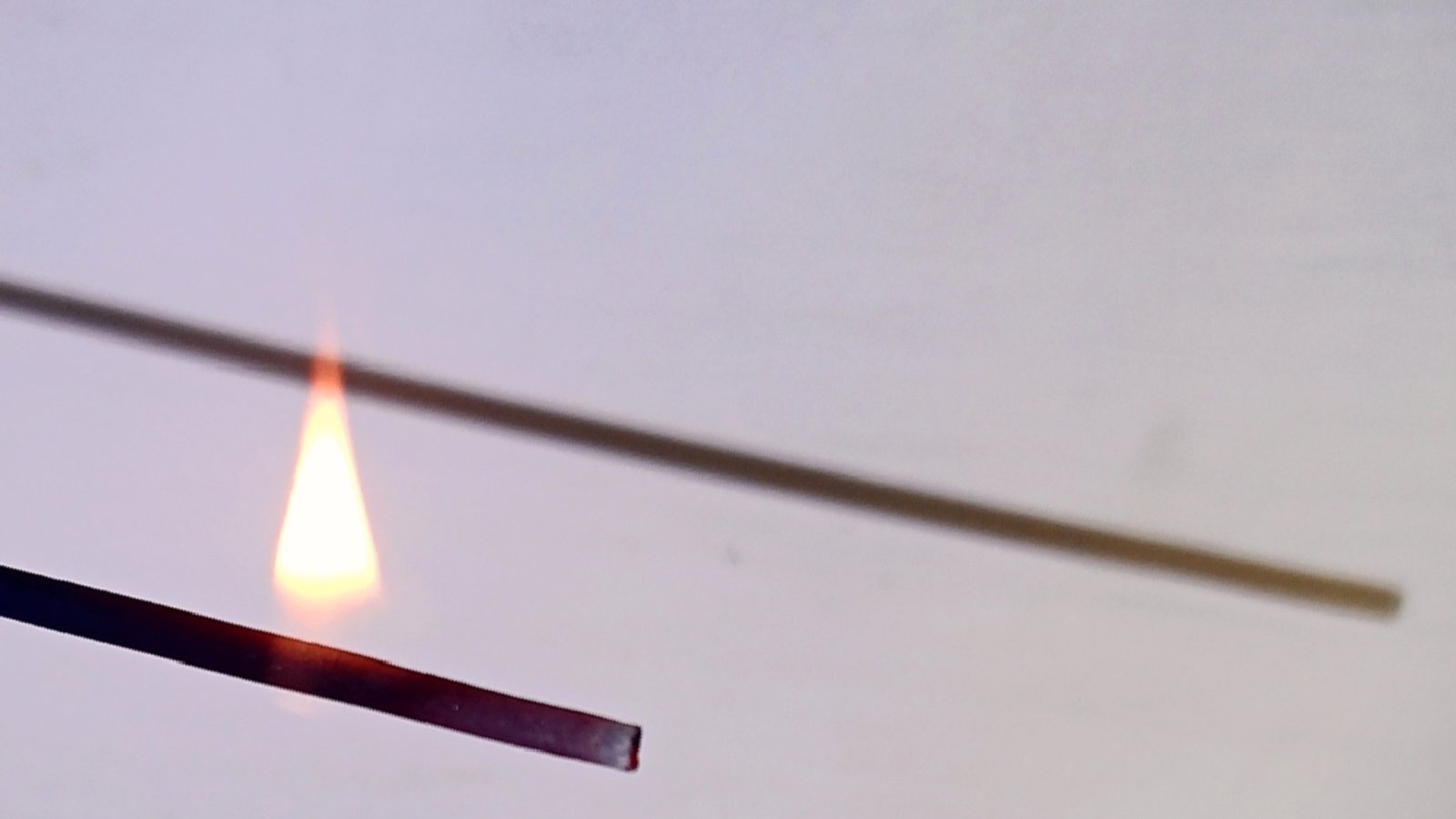
This photo captures a flame that casts no shadow. This proves that a flame does not have a shadow because the flame itself is a source of light. A shadow is created only when light is blocked by an object. Since the flame is producing its own light rather than blocking light from another source, no shadow is formed behind it. However, the flame also emits invisible infrared radiation, which we feel as heat. While it casts no visible shadow, it can still leave a thermal shadow — a cooler area on a surface behind an object that blocks the heat. This shows that shadows are not just about light, but also about energy and temperature.
Why I Chose It
I am working over thermal shadow and it's research so it's make me curious to use this photo.
Support your favourite photograph by voting, liking and leaving a meaningful comment. The entry with the highest verified public engagement receives the People's Choice Award.
| Criteria | Rating | Score |
|---|---|---|
|
Scientific Understanding & AccuracyIs the scientific concept correct and clearly understood?
|
/5 | |
|
Relevance to the ThemeDoes the photo clearly represent science in everyday life?
|
/5 | |
|
Originality & ObservationDoes the entry show thoughtful, unique observation?
|
/5 | |
|
Photo Quality & CompositionClear, focused, well-framed and visually effective?
|
/5 | |
|
Explanation & Overall ImpactSimple, accurate, engaging and connected to the image?
|
/5 | |
| Total Score | /25 |
Judges' Choice Award
Selected by the official judging panel based on scientific accuracy, theme relevance, originality, photo quality, and explanation — using the rubric above.
People's Choice Award
Selected through verified public votes, likes and meaningful comments during the voting period.