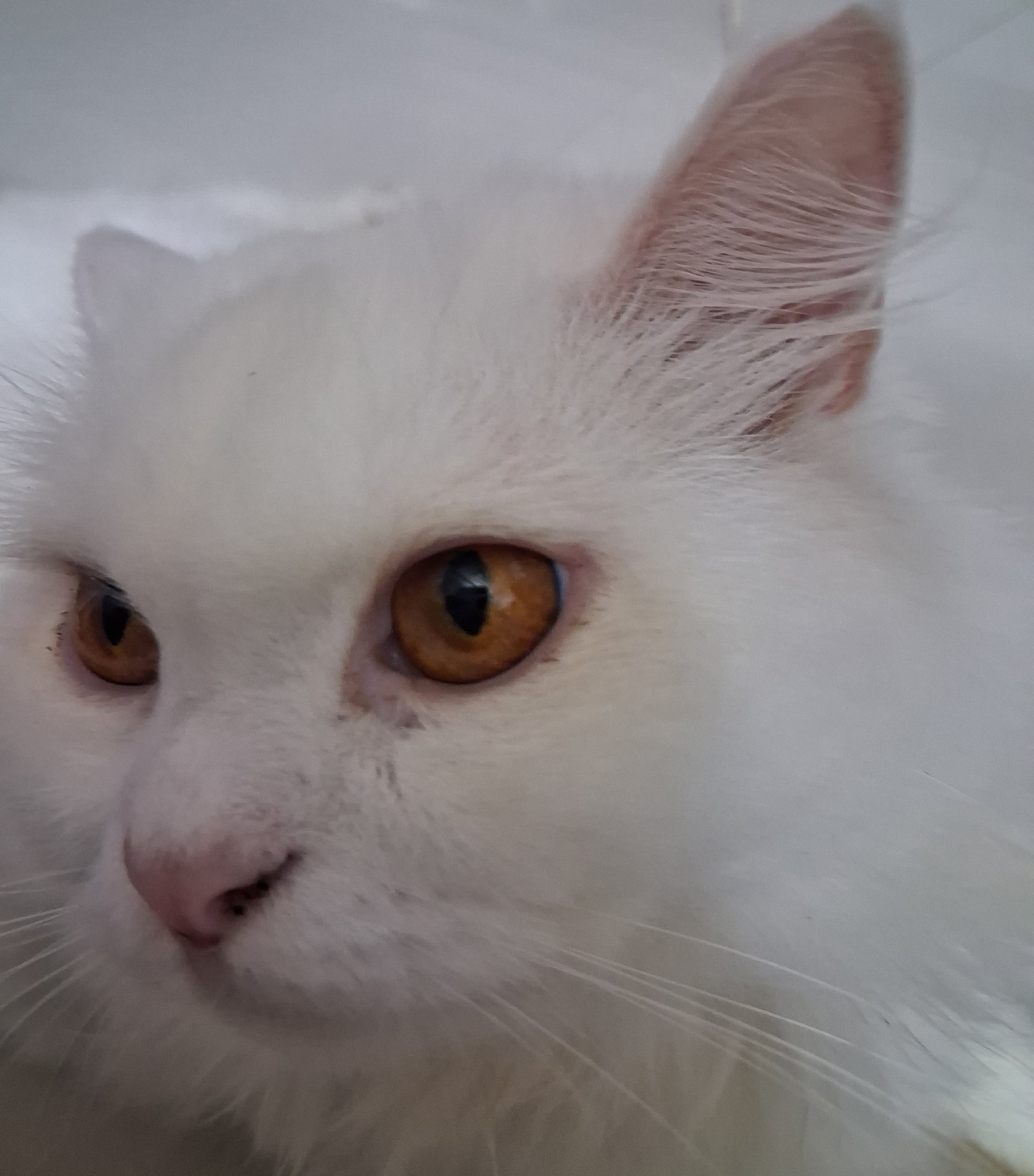
My Cat's Eyes
The Science
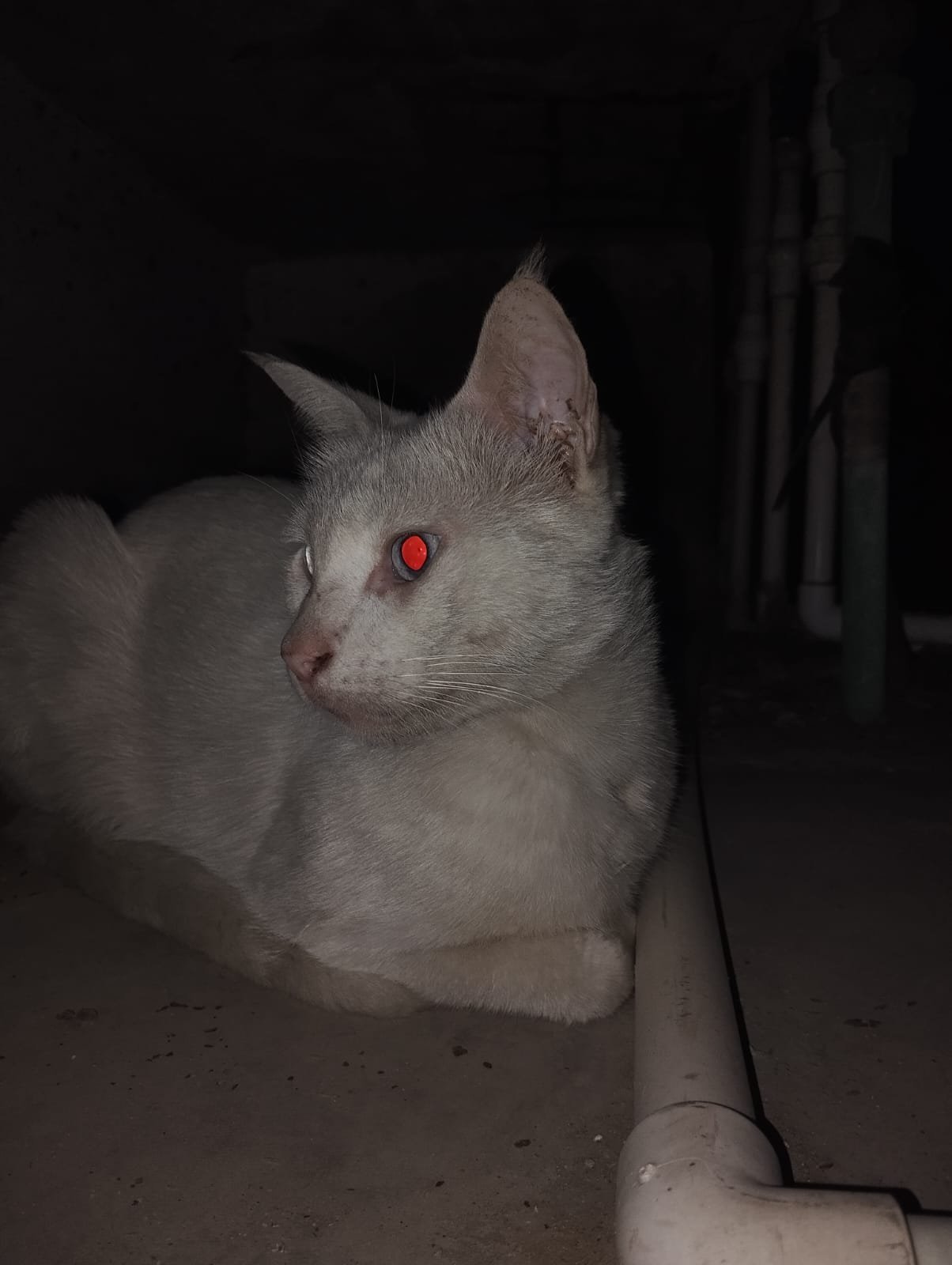
This photo shows my cat's eyes in indoor light. The black part of the eye, called the pupil, changes size depending on how much light is around. In bright light, the pupil becomes smaller, and in dim light, it becomes larger to let in more light. This helps cats see better, especially in low-light conditions, making them excellent hunters at dawn and night.
Why I Chose It
I selected this photo because my cat is part of my everyday life, and its eyes are a great example of how animals use science to adapt to their environment. I wanted to show that science can be observed even at home.
Support your favourite photograph by voting, liking and leaving a meaningful comment. The entry with the highest verified public engagement receives the People's Choice Award.
| Criteria | Rating | Score |
|---|---|---|
|
Scientific Understanding & AccuracyIs the scientific concept correct and clearly understood?
|
/5 | |
|
Relevance to the ThemeDoes the photo clearly represent science in everyday life?
|
/5 | |
|
Originality & ObservationDoes the entry show thoughtful, unique observation?
|
/5 | |
|
Photo Quality & CompositionClear, focused, well-framed and visually effective?
|
/5 | |
|
Explanation & Overall ImpactSimple, accurate, engaging and connected to the image?
|
/5 | |
| Total Score | /25 |
Judges' Choice Award
Selected by the official judging panel based on scientific accuracy, theme relevance, originality, photo quality, and explanation — using the rubric above.
People's Choice Award
Selected through verified public votes, likes and meaningful comments during the voting period.