Menu
Back to gallery
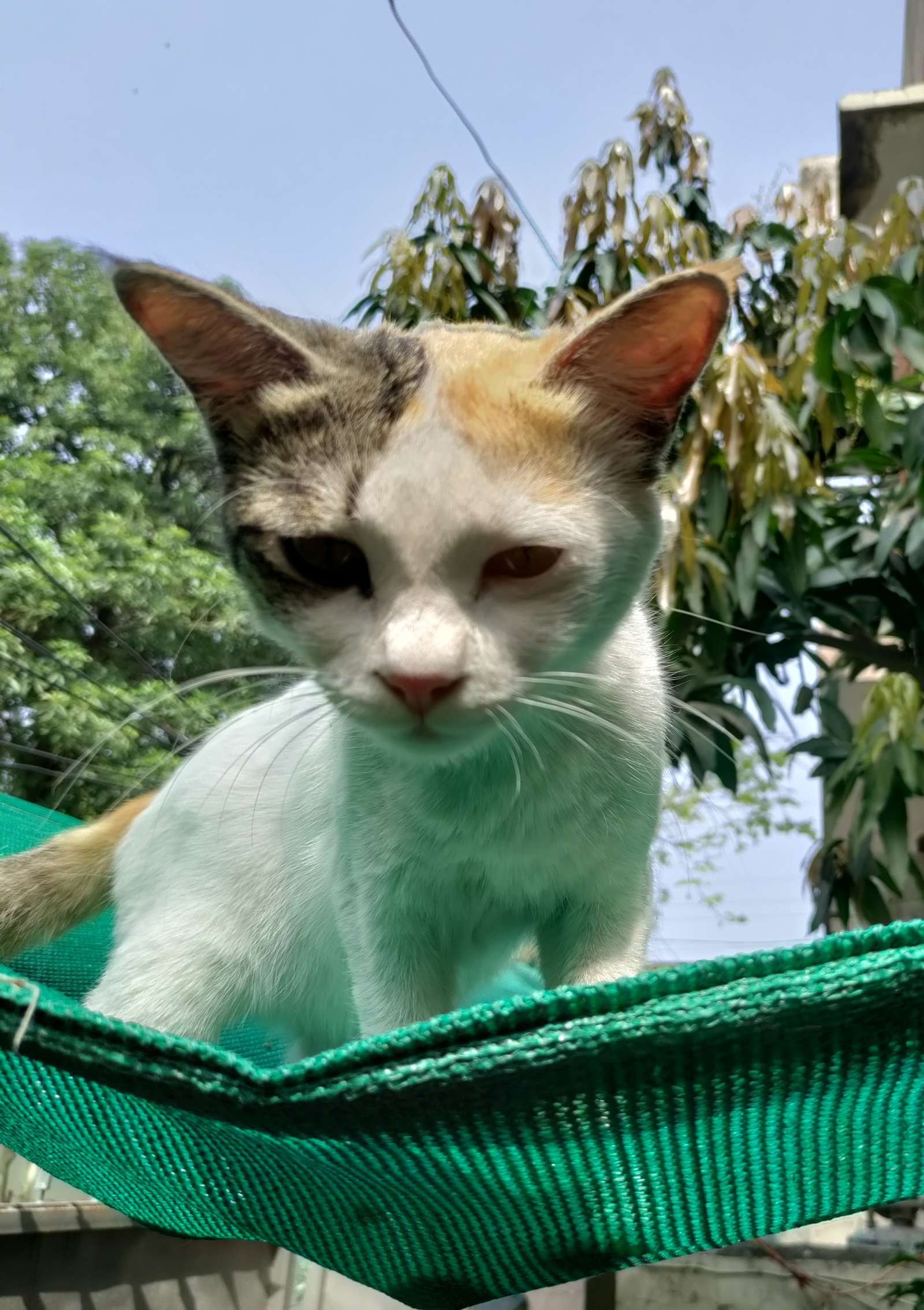
Entry #18 Prefrontal cortex loading....please wait
OnePlus BE2029 ISO 100 1/1509s f/1.8 4.7mm 2026:03:21 10:41:21
EXIF metadata read from the original file — an originality signal.

Prefrontal cortex loading....please wait

Sleep inertia and sleep pressure Science Photo Hunt Challenge # 1 Theme: Science Around Us
Home Science Photo Hunt

The Science

My cat's hunger woke her up but her eyes are still half closed, it's not just a cat thing though, I am sure we can all relate to this situation when in the back of our head we know we are awake but just can't get our eyes to open fully. The term "Sleep inertia" and the brief role of "Adenosine hormone" can answer the why behind this. Sleep inertia is the state of our body during sleep, our prefrontal cortex controls our functions like alertness, decision-making and conscious control, during sleep our brain puts these to a rest. The time between our waking up and finally being able to open our eyes is what it takes for our brain to get these functions up and running. Then there is the Adenosine hormone that is produced excessively during our sleep, it maintains a sleep pressure that creates the feeling of sluggishness on waking up. The levels of Adenosine decrease as we go into the full awake condition and finally all the sleep is lost, now we have to get ready for the day.

Why I Chose It

For me this was just another cute picture of my cat waking up from her deep sleep with the eagerness of being fed again while barely being able to open her eyes, but looking at the picture made me realize how natural of a phenomenon it is, the feeling of not being able to open our eyes even when you really want to wake up. This is something I see so often and this picture of my cat really made me want to post and let others know the fascinating science behind it.

Izma Mohsin Verified Volunteer
Volunteer · Explorer · Lahore · Member since Jul 2026
People's Choice Voting

Support your favourite photograph by voting, liking and leaving a meaningful comment. The entry with the highest verified public engagement receives the People's Choice Award.

2Likes
2Votes
0Comments
Public Score = Votes × 3 + Comments × 2 + Likes × 1
Voting has ended for this contest.
Comments (0)
Be the first to leave a meaningful comment.
One verified vote per account. Duplicate or suspicious engagement may be removed, and spam or repeated comments are not counted. Sharing helps reach — it does not add points.
Official Judging Rubric — Judges Only
Max Score: 25
Only assigned judges can view and submit ratings. Public users cannot access or influence the official Judges' Choice score.
Each criterion is rated 1 (Poor) to 5 (Outstanding).
CriteriaRatingScore
Scientific Understanding & AccuracyIs the scientific concept correct and clearly understood?
/5
Relevance to the ThemeDoes the photo clearly represent science in everyday life?
/5
Originality & ObservationDoes the entry show thoughtful, unique observation?
/5
Photo Quality & CompositionClear, focused, well-framed and visually effective?
/5
Explanation & Overall ImpactSimple, accurate, engaging and connected to the image?
/5
Total Score/25
Assigned judge? Open the Judge Panel
How Winners Are Selected
Judges' Choice Award

Selected by the official judging panel based on scientific accuracy, theme relevance, originality, photo quality, and explanation — using the rubric above.

People's Choice Award

Selected through verified public votes, likes and meaningful comments during the voting period.
One photograph may win only one main award. If the same entry ranks first in both categories, PSC may award the People's Choice Award to the next highest eligible entry.
Important Reminders
Original photo with EXIF data must be submitted.
No people, brands, logos or watermarks in the photo.
Follow safety, privacy and environmental rules.
Explanation must be in your own words.
Check all rules at paksc.org/photo-hunt.
Every entry is checked for originality and EXIF authenticity. Entries with missing or suspicious EXIF data are flagged for reviewer verification.
More from this contest
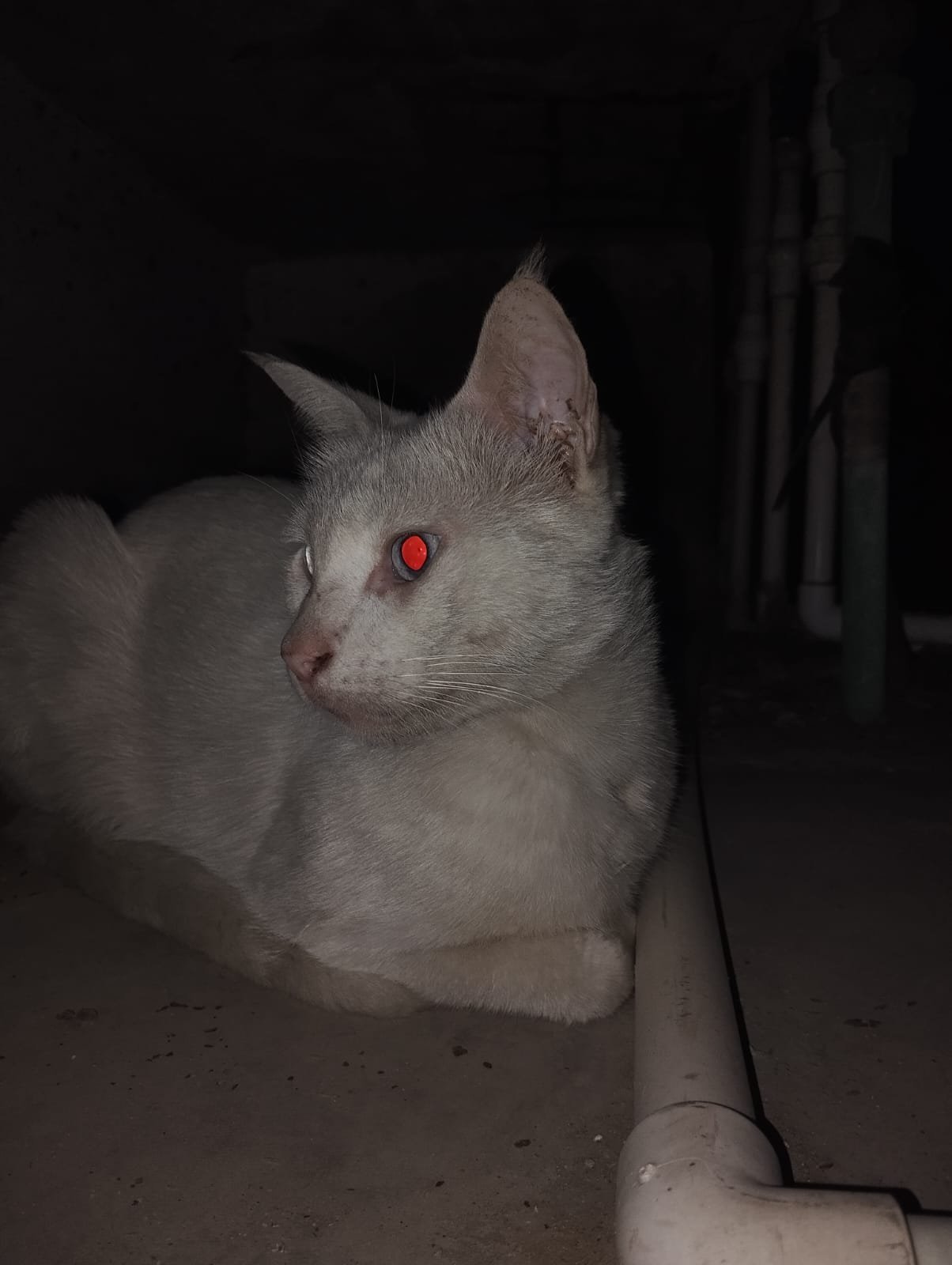
Tapetum Lucidum: Photonic Retroreflection in Feline Ocular Anatomy
Tapetum Lucidum: Photonic Retroreflectio...
Maryam
The Hidden Colors of Light
Ali Afnan
Insect pollination
Insect pollination
Azlan Qutab Muhammad
Science behind CHAI bubbles
Anzalna
Bright colours
Bright colours
Sibgha Ghazanfar
Realism or Locality: Which will you choose?
Realism or Locality: Which will you choo...
Ahmad Mahmood
Latest Winners — Science Photo Hunt Challenge # 1 Theme: Science Around Us
Judges' Choice Award
🥇 Waning Gibbous Moon's Cratered Surface
Waning Gibbous Moon's Cratered SurfaceFajr Rauf
🥈 Nature's Recycling: Leaf Senescence in Arid Lands
Nature's Recycling: Leaf Senescence in Arid LandsHafsa Ijaz
🥉 Sunset
SunsetInaya Hashmi
People's Choice Award
🥇 Tapetum Lucidum: Photonic Retroreflection in Feline Ocular Anatomy
Tapetum Lucidum: Photonic Retroreflection in Feline Ocular AnatomyMaryam
🥈 The Hidden Colors of Light
The Hidden Colors of LightAli Afnan
🥉 Insect pollination
Insect pollinationAzlan Qutab Muhammad
Contact on WhatsApp