Paper-Based Rapid Diagnostic Test Strip
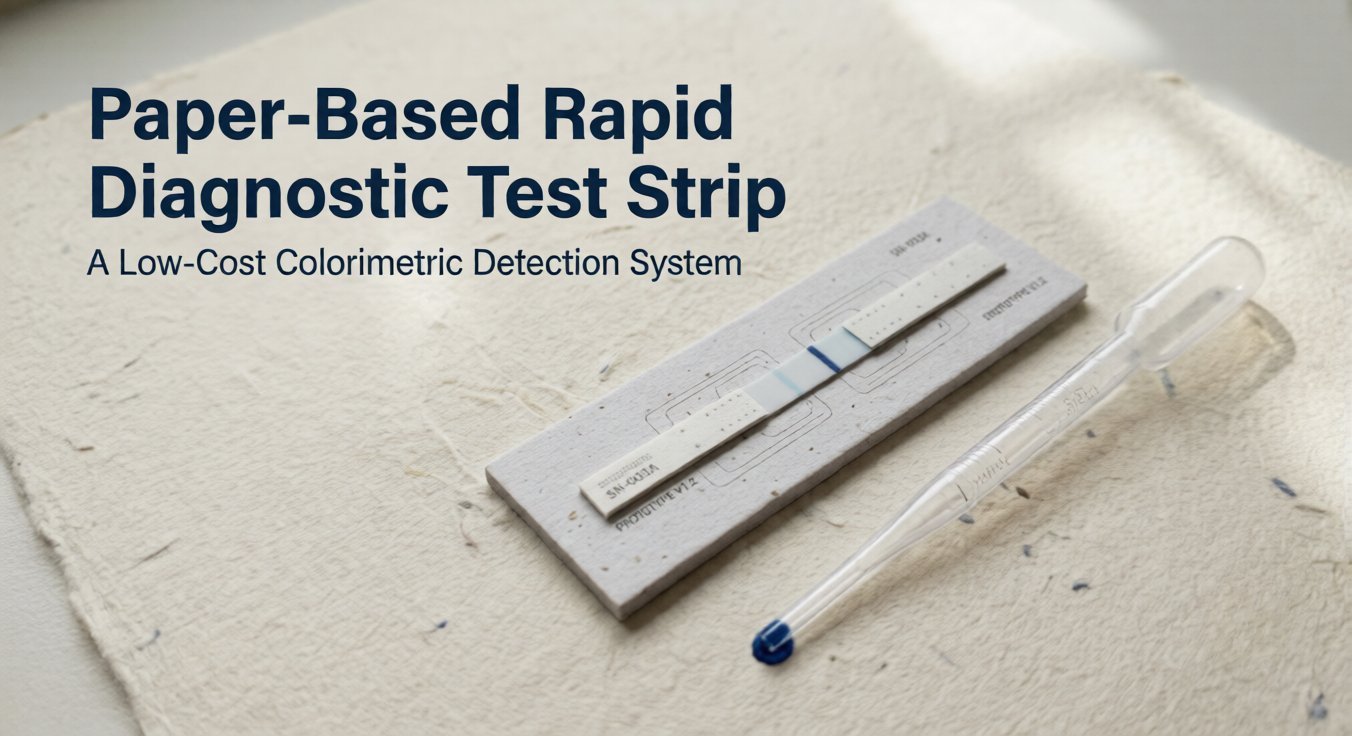
This project demonstrates how a paper-based rapid diagnostic test strip uses capillary action to move a liquid sample and produce a visible color change. It introduces the basic working principle behind many modern point-of-care diagnostic tests.
Project Story
What I made
I made a simple paper-based rapid diagnostic test strip that moves liquid through paper using capillary action. The strip produces a visible color change to demonstrate how rapid diagnostic tests work.
Why I made it
I made this project to show how low-cost paper-based diagnostic devices can provide quick and simple testing without expensive laboratory equipment. It was inspired by the rapid test kits used in healthcare around the world.
What I learned
I learned how paper-based rapid tests move liquid without electricity or pumps by using capillary action. I also learned how simple color changes can provide quick diagnostic information. This project improved my observation, experimental design, and problem-solving skills while introducing me to an important biotechnology technology.
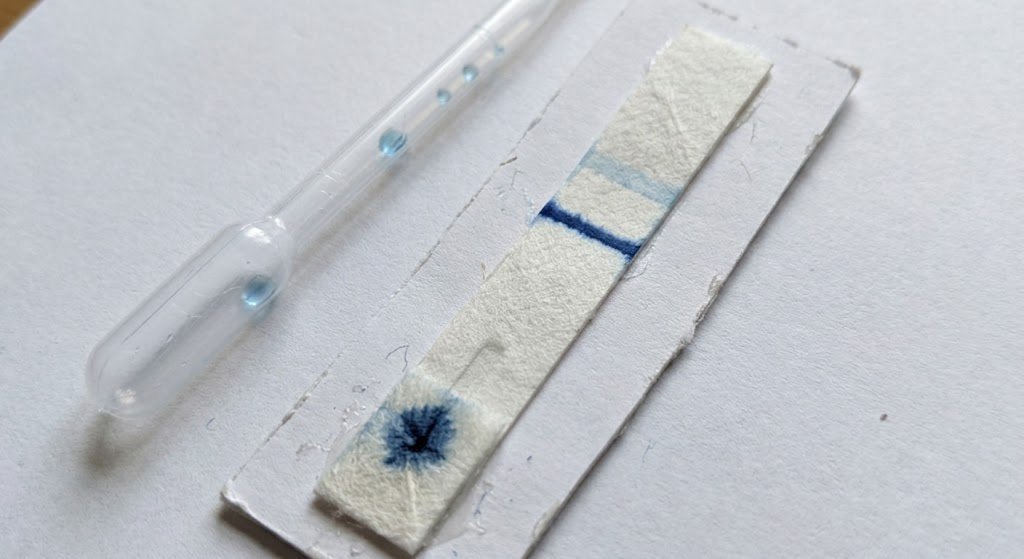
The paper test strip successfully transported the liquid through the paper and produced visible color changes in the reaction zones, demonstrating the basic principle of rapid diagnostic tests used in healthcare.
Materials & Components
coffee filter paper Wax crayon White cardstock Food coloring Dropper Scissors Glue Transparent tape Ruler Pencil
How to Make It
-
1Cut the filter paper into a long strip.
-
2Draw simple wax barriers to guide the liquid.
-
3Create one sample pad at the bottom.
-
4Create two reaction zones near the top.
-
5Place a drop of colored water on the sample pad.
-
6Observe the liquid moving upward by capillary action.
-
7Record the color changes in the reaction zones.
-
8Compare the results and explain how the strip works.
Photos
Comments (0)
No comments yet — be the first!