DNA Crime Scene Investigation Simulation: Using DNA Analysis to Identify a Sample Match
This project is a DNA investigation simulation that shows how scientists use DNA patterns to identify a sample match. It helps students understand the basics of genetics, DNA analysis, and forensic biotechnology through an interactive activity.
Project Story
What I made
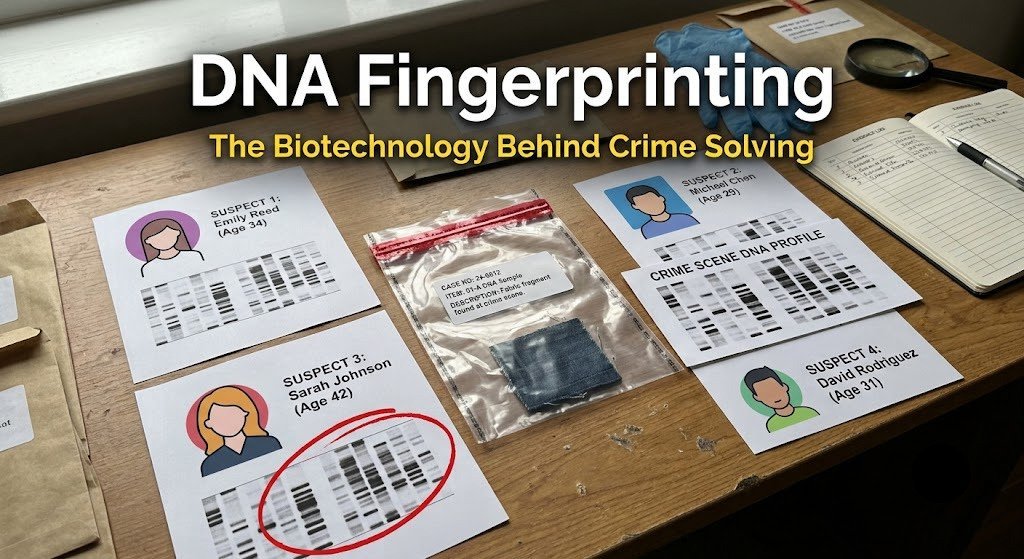
I created a DNA Crime Scene Investigation Simulation where a mystery DNA sample is compared with DNA samples from different suspects to find the correct match. It demonstrates how DNA fingerprinting is used in forensic science through a fun and interactive activity. The project helps students understand the basics of genetics and biotechnology in an easy way.
Why I made it
I made this project to show how DNA analysis helps solve real-life criminal investigations and identify individuals accurately. I was inspired by forensic science and how biotechnology is used in modern investigations. I wanted to make a simple, low-cost activity that makes learning genetics more exciting and engaging.
What I learned
Through this project, I learned how DNA fingerprinting is used in forensic science to identify individuals by comparing DNA patterns. I improved my research, observation, problem-solving, and presentation skills while designing the investigation. The main challenge was creating realistic DNA patterns and ensuring only one suspect matched the crime scene sample. Careful planning and accurate pattern comparison helped the activity work successfully. In the end, the project clearly demonstrated how biotechnology and genetics are applied in real-life forensic investigations to solve cases and identify individuals.
Materials & Components
Cardboard White A4 paper Colored paper Printed DNA fingerprint patterns Glue Scissor Markers zip-lock bags Small envelopes Ruler Pencil Sticky notes Optional: Magnifying glass
How to Make It
-
1Decide on a simple crime story, such as finding an unknown DNA sample at a crime scene with three or four possible suspects.
-
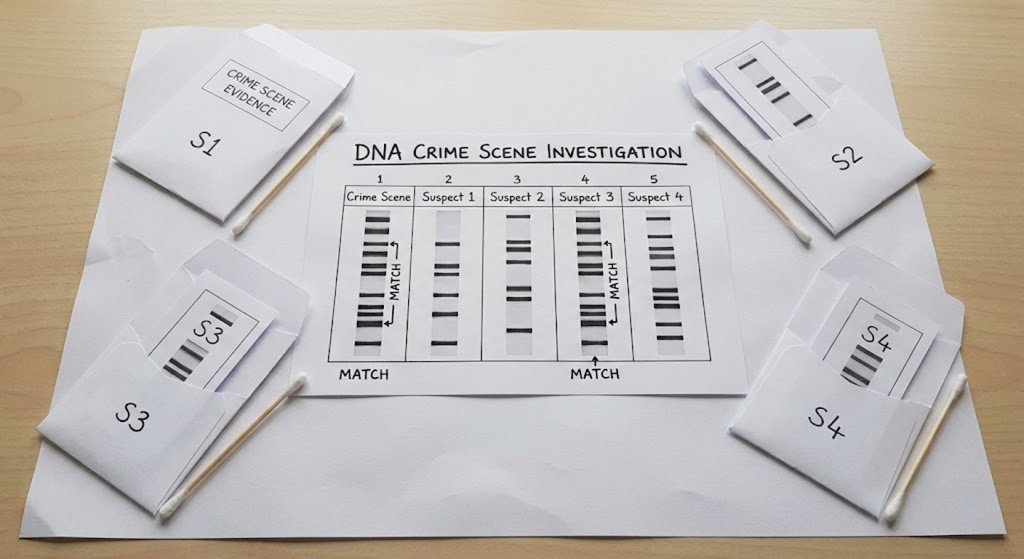
2Create a DNA fingerprint pattern for the crime scene and different patterns for each suspect using printed lines or colored strips. Make sure only one suspect's pattern matches the crime scene sample.
-
3Print or cut out the DNA fingerprint patterns and paste each one onto separate cards labeled as the crime scene sample and suspect samples.
-
4Prepare simple suspect profile cards with basic information such as name, age, and occupation to make the activity more interesting.
-
5Place the DNA sample cards inside small envelopes or transparent plastic bags to represent evidence collected from the crime scene.
-
6Arrange all the evidence, suspect cards, and DNA samples neatly on a cardboard or display board.
-
7Compare the DNA fingerprint of the crime scene with each suspect's DNA pattern by matching the bands.
-
8Identify the suspect whose DNA pattern exactly matches the crime scene sample.
-
9Record the observations and explain how DNA fingerprinting helps scientists identify individuals in real forensic investigations.
-
10Present the final conclusion, showing which suspect matched the crime scene DNA and explaining that this activity is a simulation of the DNA comparison process used in forensic biotechnology.
Photos
Comments (3)