Colorimetric Biosensor for Detecting Vitamin C in Fruit Juices
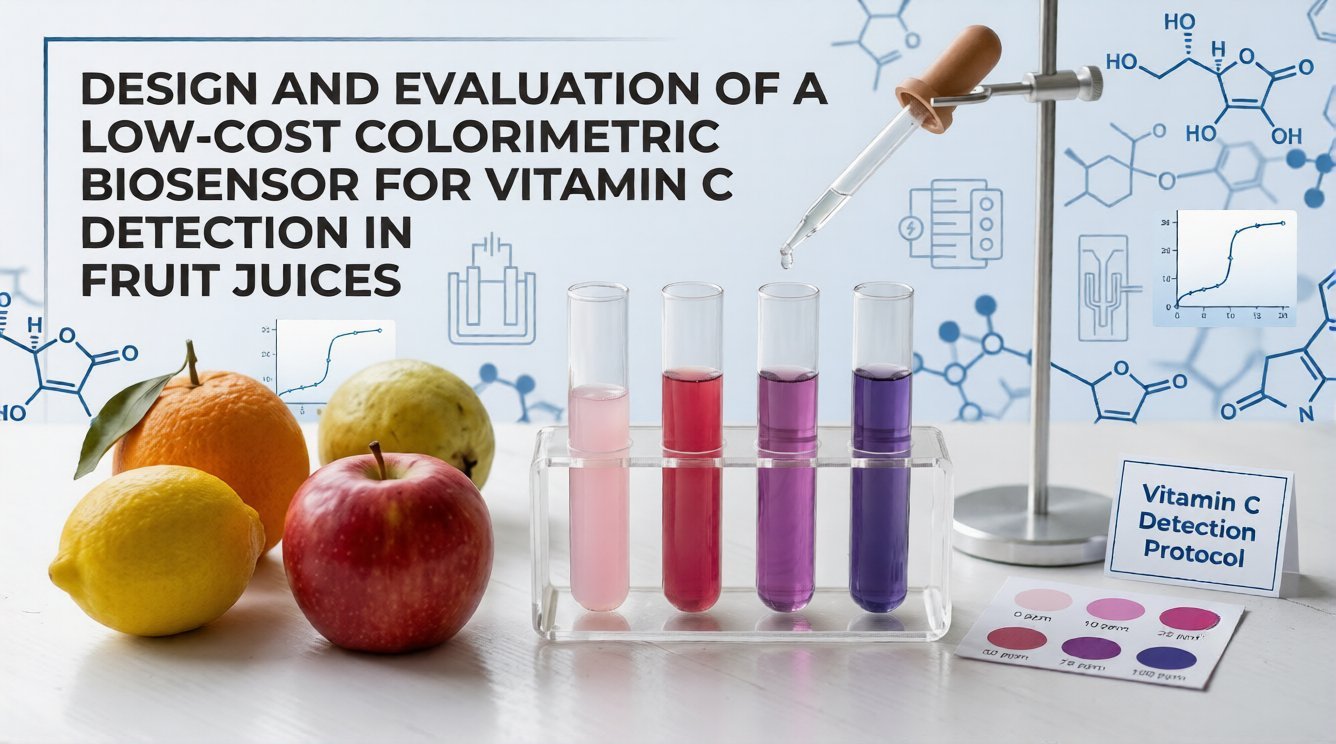
This project shows how a colorimetric biosensor can detect vitamin C in fruit juices using a simple color-changing reaction, highlighting the role of biotechnology in food analysis and diagnostics.
Project Story
What I made
This project is about making a simple biosensor that changes color to detect vitamin C in different fruit juices. By observing the color change, we can compare the vitamin C content of each juice and understand how similar color-based tests are used in biotechnology, food testing, and medical diagnostics.
Why I made it
I made this project to show that important nutrients like vitamin C can be detected using a simple, low-cost method. It helps people understand how biosensors work in real life for food testing and health monitoring. I was inspired by modern diagnostic tests, such as glucose strips and rapid test kits, which also use simple reactions to give quick results.
What I learned
I learned how a simple colorimetric biosensor works and how a color change can be used to compare the vitamin C content of different fruit juices. During this project, I improved my observation, data recording, and experimental skills. The main challenge was noticing small color changes and keeping all the tests fair by using the same amount of each solution. Using equal quantities and a white background helped me get clearer results. In the end, the project successfully showed that a simple, low-cost biosensor can be used to compare vitamin C levels and demonstrate how similar techniques are used in biotechnology and medical testing.
Materials & Components
Iodine solution Cornstarch Clean water Fruit juice samples Transparent plastic cups Droppers Measuring spoon Spoon White paper (to observe the color change clearly) Notebook and pen (to record observations)
How to Make It
-
1Prepare a starch solution by mixing a small amount of cornstarch with water and heating it until it becomes clear. Let it cool.
-
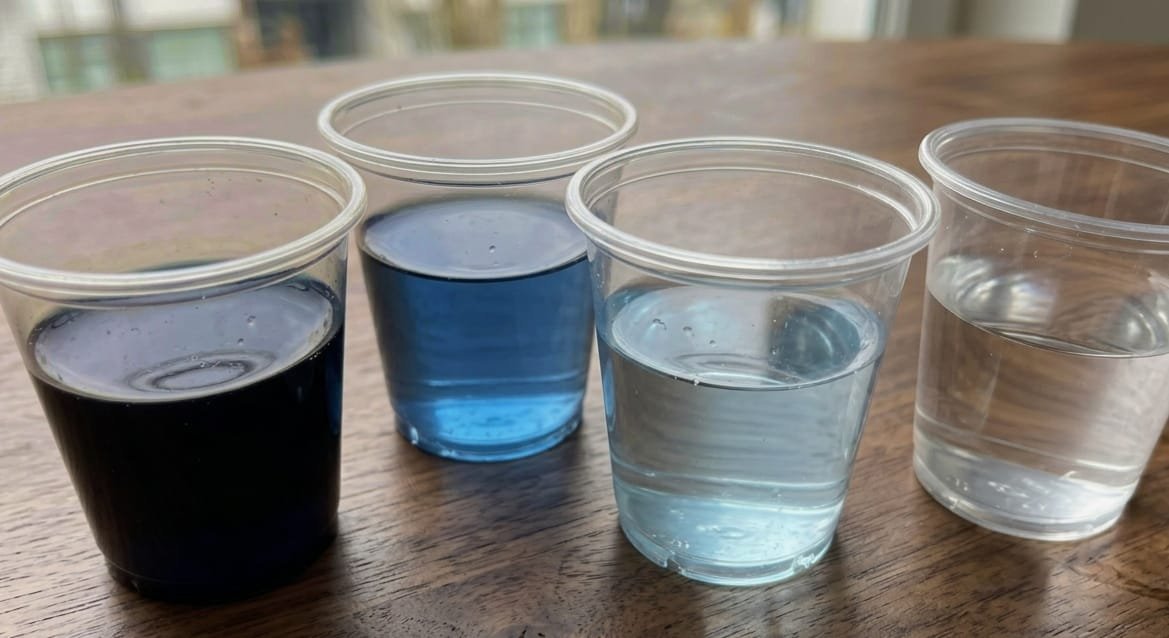
2Add a few drops of iodine solution to the starch solution. It will turn dark blue or blue-black
-
3Pour equal amounts of this indicator solution into separate transparent cups or test tubes.
-
4Label each cup with the name of a fruit juice (e.g., Orange, Lemon, Apple, Guava).
-
5Using a dropper, add one fruit juice sample to its labeled cup, one drop at a time.
-
6Gently stir after each drop and observe the color change.
-
7Record how many drops are needed for the blue color to disappear or become very light.
-
8Repeat the same procedure for all fruit juice samples using equal volumes.
-
9Compare the results. Juices that require more drops to remove the blue color generally contain more vitamin C.
-
10Record your observations in a table and draw a conclusion about which fruit juice has the highest relative vitamin C content.
Photos
Comments (2)