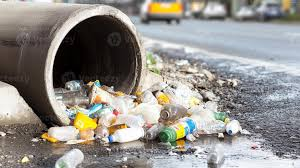
The problem
Our urban neighborhoods are suffocating under a silent, synthetic deluge. The open drainage networks (nullahs), structurally engineered to channel wastewater away from living zones, have instead been transformed into stagnant, solid-waste landfills. Millions of single-use polyethylene bags, discarded packaging, and non-biodegradable debris have formed impenetrable structural plugs within these water channels. As a result, even standard daily runoff—and worse, seasonal precipitation—cannot flow. The blocked channels breach their banks, spilling toxic blackwater directly into streets, markets, and doorsteps. The system is fundamentally crippled, turning everyday residential zones into impassable, polluted swamps.
Why it matters
This is not merely an aesthetic blight; it is a profound socio-economic and public health catastrophe that demands an immediate scientific remedy: The Health Toll: Stagnant, polluted water pools act as hyper-active breeding sanctuaries for vectors, triggering immediate spikes in deadly localized outbreaks of Dengue, Malaria, and waterborne pathogens. Economic Paralysis: Street flooding rapidly degrades asphalt infrastructure, damages vehicles, and halts local commerce. This disproportionately paralyzes daily-wage earners and street vendors who lose their livelihoods whenever a street becomes unnavigable. The STEM Opportunity: This crisis is a direct canvas for innovation. By adopting this as a Community Lab Project, we can engineer low-cost mechanical debris traps, design automated catchment barriers, or prototype community-led upcycling systems that intercept plastic waste before it hits the water table.