The Reality of the Summer Slump
Every year when summer vacations begin, a predictable pattern sets in. We start with grand plans to learn a new skill, read more, or build a fresh routine. But within a few days, the intense heat waves keep us indoors, scrolling through our phones for hours. Before we know it, a heavy feeling takes over—what many of us call "summer laziness."
It turns out that this laziness isn't a character flaw; it’s actually a reflection of how our brains work.
The Brain's Path of Least Resistance
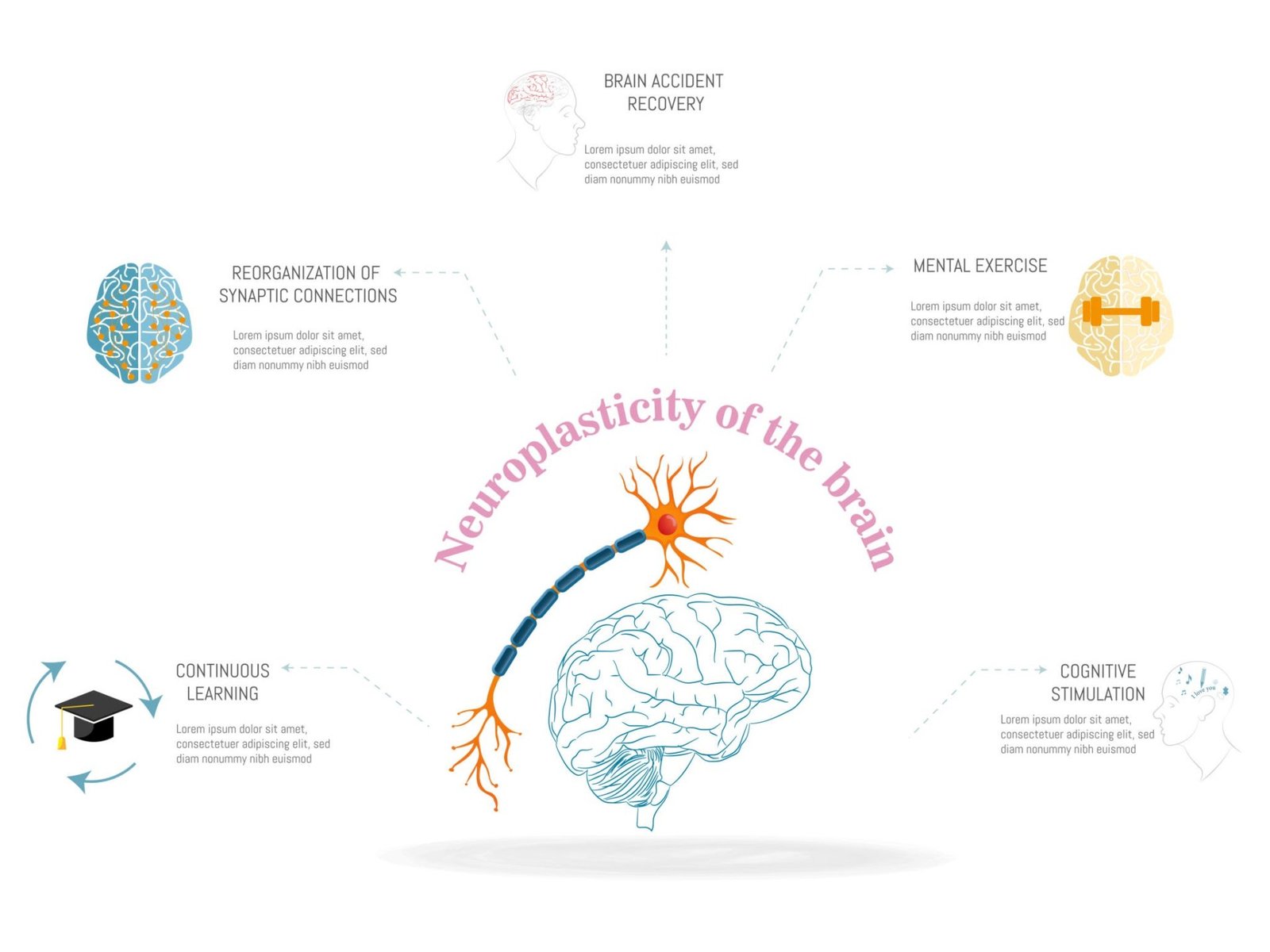
The human brain is incredibly power-hungry, consuming roughly 20% of our body's daily energy. To save power, it naturally defaults to efficiency. It does this through neuroplasticity—the brain’s natural ability to physically reshape its neural pathways based on our daily actions.
Think of your brain as a thick, grassy field. When you repeat a behavior every single day—like picking up your phone the second you wake up—you walk down the exact same path. Over time, you flatten the grass and create a smooth, deeply carved dirt road. Your brain loves this road because it takes almost zero effort to travel. Conversely, when you try to do something new, like studying a difficult topic or working out, you are forcing your brain to push through tall, heavy grass. That friction is why starting a new habit feels physically uncomfortable.
Two Keys to Rewiring Your Mind
Fortunately, we can use two biological mechanisms to trick our brains out of this vacation slump:
Long-Term Potentiation (LTP): This is the scientific rule that neurons that fire together, wire together. Every single time you push past the initial laziness and practice a new skill, the connection between those brain cells gets slightly stronger. With daily repetition, your brain wraps that new path in a protective coating that speeds up the signal, making the habit feel automatic.
Synaptic Pruning: This is the brain’s "use it or lose it" cleanup system. When you consciously abandon a bad habit (like excessive screen time), the brain realizes that pathway is no longer being used. Over a few weeks, it slowly dismantles and clears away that old connection.
How to Start Small This Summer
To successfully rewire your mind this summer, start incredibly small. If you want to read a book, don't force yourself to read a whole chapter on day one; commit to just two pages. By making the task tiny, you minimize the initial mental friction. Once you take that first step, you actively signal your brain to start building a new highway. You hold the chisel to your own mind—what path will you decide to build today?